

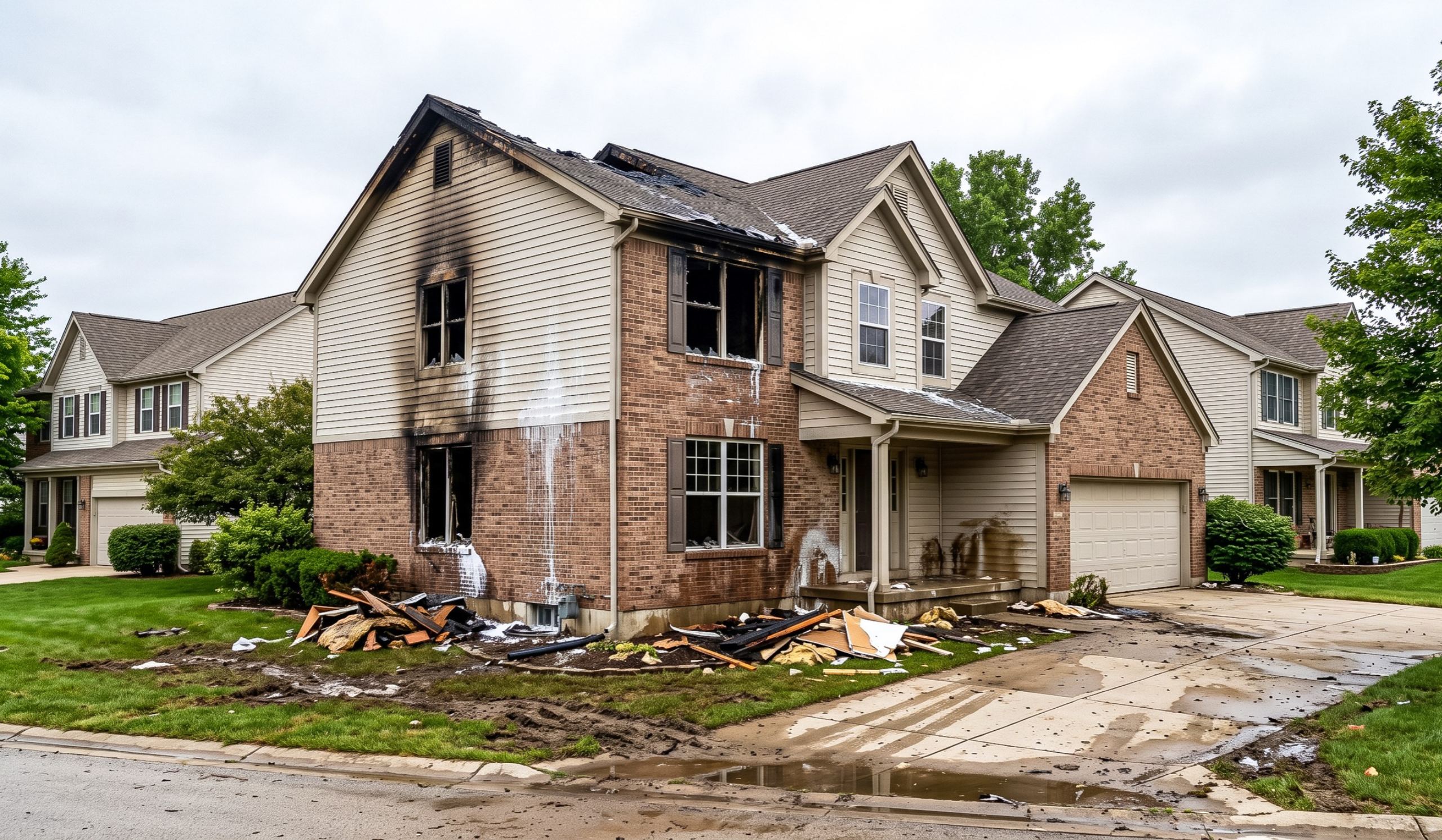
For decades, the insurance industry has understood a simple truth: reducing risk before a loss occurs is better than paying for that loss afterward. Yet despite this understanding, mitigation has historically occupied a supporting role in insurance pricing and underwriting decisions. While insurers have long examined factors such as construction type, occupancy, claims history, and exposure, the broader question of how communities actively reduce risk has often received far less attention.
That dynamic is beginning to change.
In recent years, insurers, regulators, and policyholders have placed greater emphasis on mitigation and resilience. Faced with rising catastrophe losses, increasing claim severity, and growing pressure to improve affordability, the industry has embraced proactive risk reduction strategies. Homeowners may receive credits for fortified roofs, wildfire-resistant landscaping, or flood protection measures. Commercial property owners can benefit from sprinkler systems, enhanced security, and other loss control investments.
These developments represent meaningful progress. They reflect a growing recognition that preventing losses is more effective than simply responding to them.
However, most of these efforts remain focused on the individual property.
The problem is that risk does not exist in isolation. A home’s risk is influenced not only by its roof, its construction materials, and its maintenance history. It is also shaped by the community surrounding it. Local building code adoption, wildfire mitigation programs, public education initiatives, fire prevention activities, flood preparedness efforts, and broader Community Risk Reduction (CRR) programs all have the potential to influence the frequency and severity of future losses. Communities that invest in these activities are actively working to make their residents, businesses, and infrastructure safer. Moreover, many successful property-level mitigation activities and changes are often encouraged, overseen, and even mandated by communitywide programs and services.
Yet the insurance industry has historically had limited tools to recognize the difference between communities that are making these investments and those that are not.
Consider two homes that appear nearly identical from an underwriting perspective. They may have similar construction, age, occupancy characteristics, and replacement costs. But one may exist in a community that aggressively pursues mitigation, conducts risk assessments, invests in prevention programs, maintains strong code enforcement, and continuously works to reduce local hazards. The other may reside in a community that focuses primarily on emergency response after incidents occur.
Traditional rating approaches often struggle to distinguish between these two environments.
This is the gap that AAIS FLAMES is designed to address. As a not-for-profit insurance advisory organization, AAIS designed FLAMES to provide carriers with additional insight into fire risk and community-level mitigation efforts. FLAMES, which stands for Fire Loss Assignment and Mitigation Evaluation Score, pairs modeled fire loss potential with insight into community-level mitigation efforts. The Fire Loss Assignment uses standard insurance modeling techniques to predict the frequency and severity of fire losses within each ZIP code, while the Mitigation Evaluation Score evaluates a community’s mitigation, prevention, catastrophe preparedness, and CRR activities. Together, they provide insight into both modeled fire loss potential and the actions communities are taking to reduce risk.
The insurance industry’s growing focus on mitigation is an important and necessary evolution. But the next step may be even more significant. As insurers continue to refine how risk is assessed and priced, understanding community-level mitigation efforts will become increasingly important.
FLAMES is intended to add community-level context to the risk information carriers already consider—not to replace property-level data, underwriting judgment, or other catastrophe and fire risk models. Its value lies in making mitigation activity more visible as part of a broader risk assessment.
For carriers, this additional perspective can support more informed conversations about underwriting, pricing, product strategy, market planning, and community engagement. It can also help insurers identify where mitigation activity may warrant closer consideration alongside property-level characteristics and modeled fire loss potential.
This broader view can help insurers evaluate the conditions surrounding individual properties with greater context, while giving communities a clearer way to demonstrate the mitigation, prevention, preparedness, and resilience work they are already undertaking. The result is a more informed basis for recognizing how local action may influence fire risk.
As FLAMES becomes available for carrier use, insurers can evaluate how community mitigation information may complement their existing fire risk frameworks and support decisions in the markets they serve.
The next evolution in fire risk assessment is not simply gathering more property data. It is developing a fuller understanding of the environment in which properties exist—including the steps communities are taking to prevent losses before they occur. Recognizing both modeled fire loss potential and community mitigation can help the industry move toward a more holistic view of risk.
Explore how AAIS FLAMES brings modeled fire loss potential and community mitigation insights together to provide an additional perspective that can strengthen your organization’s approach to understanding fire risk. Learn more at AAISonline.com/products_and_services/FLAMES.
